MAPLE BOARDS
How to Make Maple Glazed Carrots That Turn Tender and Glossy
Learn how to make maple glazed carrots on the stovetop or in the oven, with tips for tender, glossy results.
The short answer
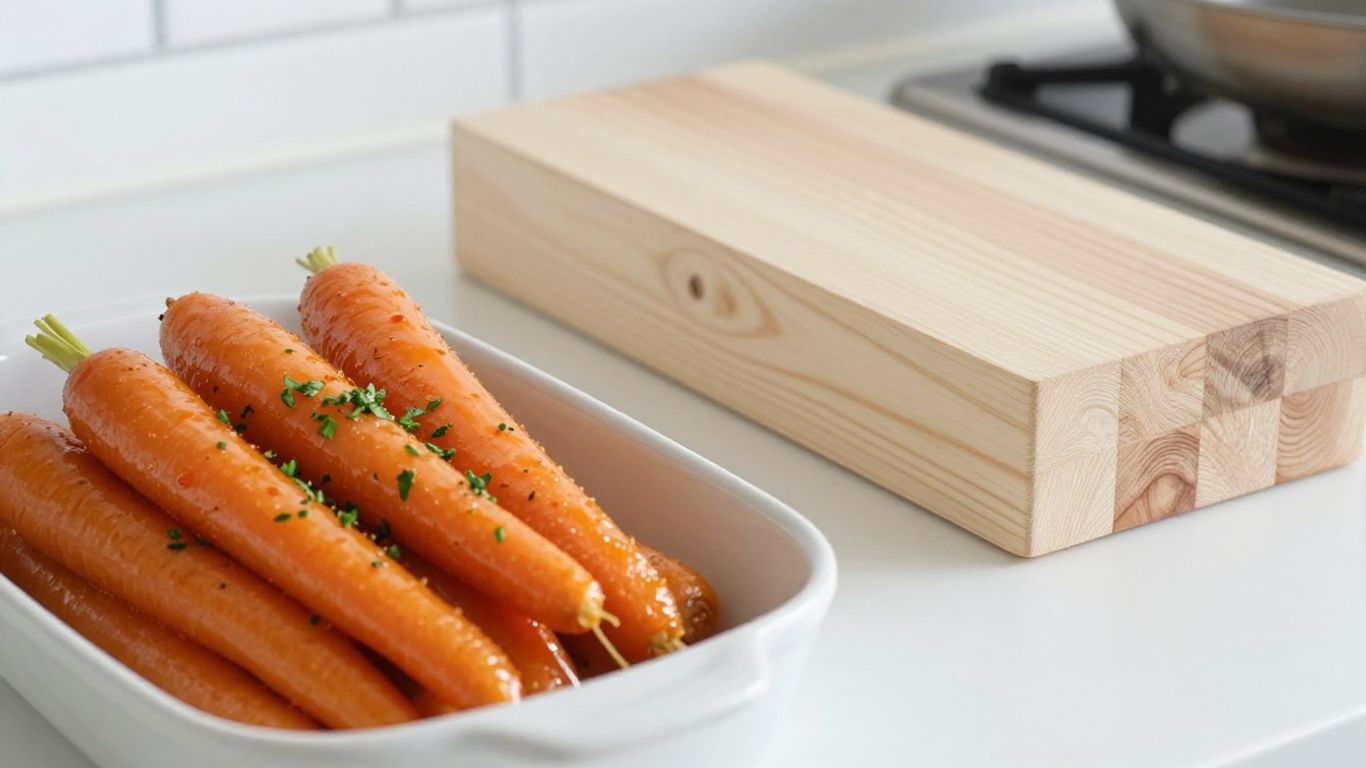
Maple glazed carrots are easy to make on the stovetop or in the oven. Cut them evenly, season the glaze to taste, and cook until tender rather than relying on the clock alone.
- Use pure maple syrup for a clean, woodsy sweetness.
- Cut carrots to a similar thickness so they cook evenly.
- Simmer them on the stovetop for a quick, glossy glaze.
- Roast them at high heat for browned edges and deeper flavor.
- Finish with lemon juice or fresh herbs, and store leftovers in the refrigerator.
What to know before you start
To learn how to make maple glazed carrots, start with evenly cut carrots, pure maple syrup, butter or oil, and a little salt. The stovetop is the faster route to soft, glossy carrots; roasting takes longer but gives you browned edges. Either way, taste as you go, since carrots vary in sweetness and thickness.
Choose whole carrots or baby carrots
Whole carrots are easy to find and give you control over the shape and thickness of each piece. Baby carrots are convenient, but they can vary in size, so split any especially thick ones lengthwise to help them cook evenly. You can peel either kind, though a good scrub is often enough for clean, unblemished carrots.
Cut carrots to a consistent thickness
Aim for pieces about ½ inch thick, whether you cut coins, short batons, or diagonal slices. Matching their thickness matters more than making every piece look identical: thin pieces soften quickly, while thick ones need more time. Use this table as a rough guide, then check the carrots with a fork as they cook.
| Carrot cut | Approximate thickness | What to expect |
|---|---|---|
| Coins | ½ inch | Quick, even stovetop cooking |
| Batons | ½ inch wide | Neat portions for a side dish |
| Diagonal slices | ½ inch at the thickest point | A broad surface for browning |
| Baby carrots | Split thick ones lengthwise | More even cooking across the pan |
The times are only a starting point; larger pieces and crowded pans take longer. Aim for a fork-tender center, not a perfect number of minutes.
Balance maple sweetness with butter, salt, and acidity
Maple syrup is sweet, so balance it with butter or oil and enough salt to make the carrot flavor come through. A small splash of lemon juice at the end can sharpen the glaze if it tastes heavy. Taste before serving and adjust in small increments; adding more syrup is easy, undoing an overly sweet glaze is not.
Ingredients and easy substitutions
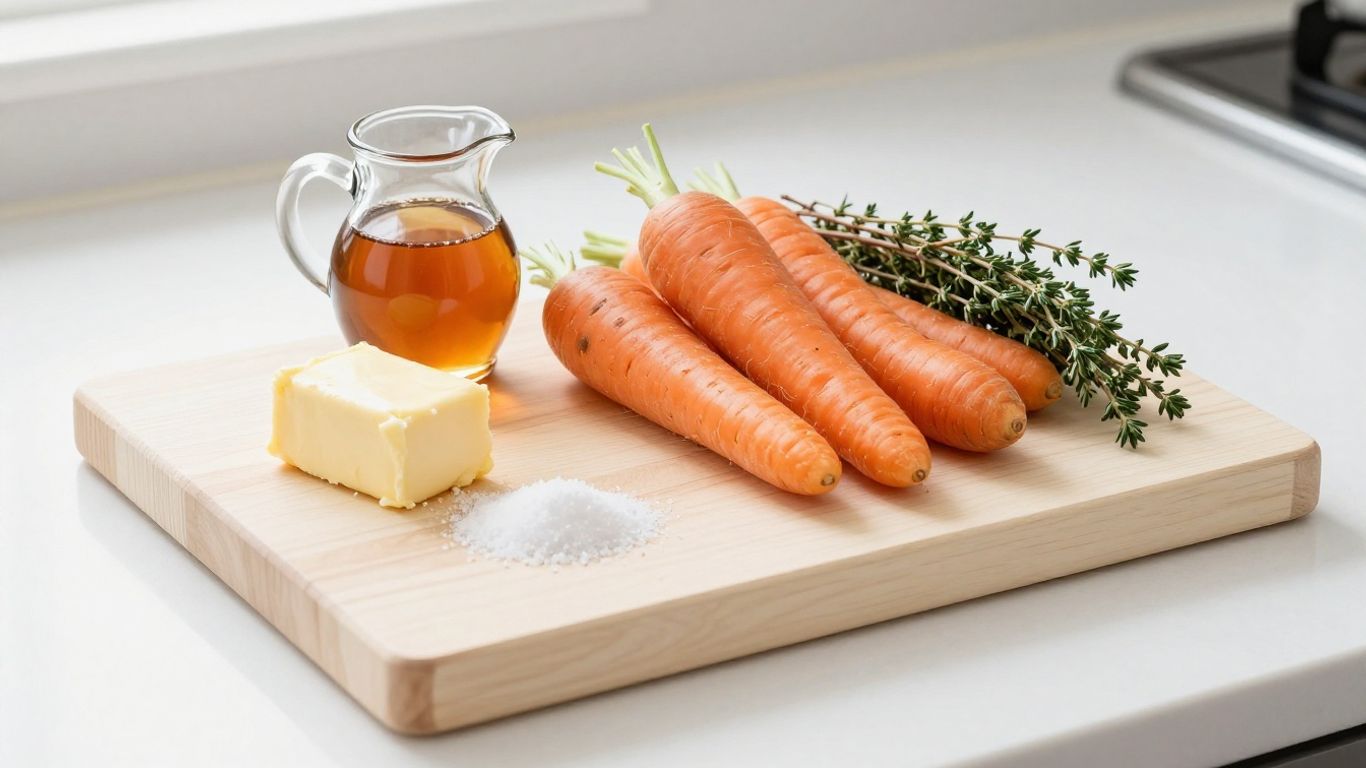
You only need a few ingredients for maple glazed carrots, and small substitutions work well. For about 1½ pounds of carrots, start with 2 tablespoons of butter, 3 tablespoons of maple syrup, ⅓ cup of water for the stovetop method, and salt to taste. The oven method uses oil or melted butter instead of water, with seasonings added before roasting.
Use pure maple syrup for the glaze
Choose pure maple syrup for its distinct flavor and pourable texture. Pancake syrup can be sweeter and more strongly flavored, so it may change the balance of the glaze. Start with a few tablespoons, then taste near the end of cooking and add a little more only if the carrots need it.
Choose butter or a dairy-free alternative
Butter gives the glaze a rounded, savory taste. For a dairy-free version, use olive oil or another neutral cooking oil; the result will be glossy, though less buttery. For roasting, coat the carrots lightly rather than adding so much fat that they fry in the pan.
Add herbs and spices without overpowering the carrots
Black pepper, a pinch of cinnamon, or a little ground ginger can complement maple without taking over. Fresh rosemary or thyme works nicely with roasted carrots, but add tender herbs after cooking so they keep their fragrance. Keep the seasoning modest at first, especially if you plan to serve the carrots alongside a richly seasoned main dish.
A small amount is usually enough to give the dish a different character. Try one of these additions at a time:
- A pinch of cinnamon for gentle warmth.
- A little grated ginger for a bright, peppery note.
- Fresh thyme or rosemary for an herbal finish.
- Chopped parsley for a clean, familiar garnish.
Taste the finished glaze before adding another seasoning. The carrots should still be the main event.
How to prepare the carrots
Good prep makes either cooking method more predictable. Wash the carrots, trim their ends, and cut them to a similar thickness before you measure the other ingredients. If you are making a larger batch, work in stages rather than leaving cut carrots in a wet pile.
Peel and trim whole carrots
Rinse the carrots under cool running water and scrub away any soil, especially near the tops. Peel them if the skins look rough or you prefer a smoother finish, then trim off the stem ends and narrow tips. The small amount of time spent cleaning and trimming helps the finished side look tidy without needing elaborate cuts.
Slice them into even coins, batons, or diagonal pieces
Coins are quick and practical; batons look a little more formal, while diagonal pieces offer a broad cut surface. Choose one shape and keep the pieces close in thickness so the small ones do not turn mushy while larger ones catch up. A sharp knife and a stable cutting surface make the work easier. For more produce-prep pointers, see this guide to cutting fruit and vegetables on maple.
Dry the carrots so the glaze clings evenly
After washing, pat the carrots dry with a clean towel. This matters most for roasting: excess surface water can make the carrots steam before they brown. Dry pieces also make it easier to coat them evenly with oil, syrup, and seasonings.
How to make maple glazed carrots on the stovetop
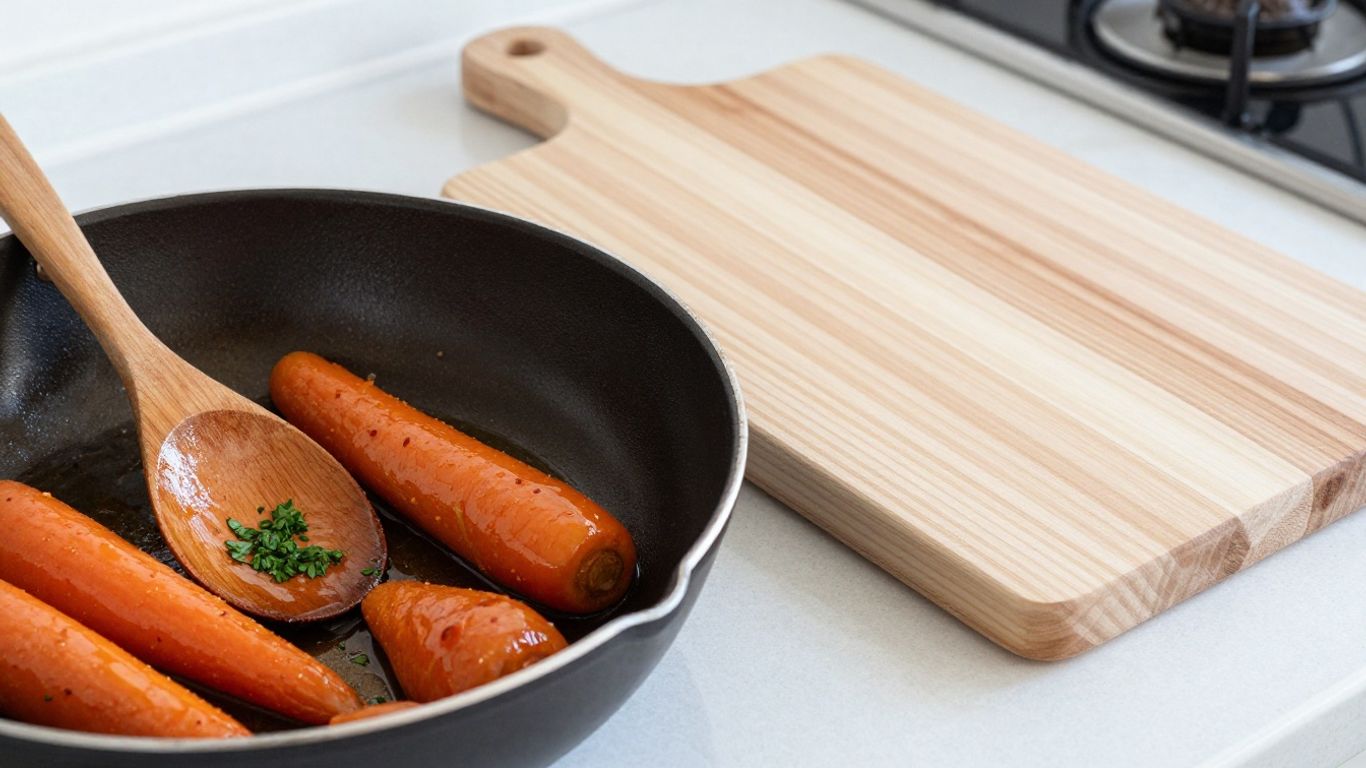
The stovetop method is the quickest way to make tender, glossy carrots, and it needs only one pan. For 1½ pounds of carrots, add about ⅓ cup of water to a wide skillet, then cover and simmer the carrots until nearly tender. Finish them uncovered with butter and maple syrup so the remaining liquid thickens into a coating.
Simmer carrots with a little water until nearly tender
Arrange the cut carrots in a wide skillet and add the water with a pinch of salt. Cover and cook over medium heat for about 7 to 10 minutes, checking the thickest pieces with a fork. They should be close to tender but still hold their shape, since they will cook a little longer in the glaze.
Add butter and maple syrup to form the glaze
Uncover the skillet and add the butter and maple syrup. Stir gently so the carrots are coated without breaking them. If the pan looks dry before the carrots are nearly tender, add a tablespoon or two of water; a small splash is usually all you need.
Cook until the carrots are tender and glossy
Let the liquid bubble gently for a few minutes, stirring or shaking the pan now and then. As water evaporates, the butter and syrup cling to the carrots and form a light glaze. Lower the heat if the syrup begins to darken too quickly, and remove the pan from the heat once the carrots are tender.
Check doneness and adjust the seasoning
Pierce a thicker piece with a fork. It should slide in easily while the carrot still keeps its shape. Taste one piece, then add salt, pepper, or a little more maple syrup if needed; if the glaze is too concentrated, loosen it with a teaspoon of water.
How to roast maple glazed carrots in the oven
Roasting takes a little longer than the stovetop method, but the dry heat can bring out browned edges and a deeper, less uniform sweetness. Heat the oven to 425°F and spread the carrots on a rimmed sheet pan with space between the pieces. If the pan is crowded, use two pans so the carrots roast instead of steaming.
Set the oven temperature and prepare a sheet pan
Set the oven to 425°F and line a rimmed sheet pan with parchment if you want easier cleanup. A bare pan also works; the carrots may brown more directly where they touch the metal. Use a pan large enough to leave a little breathing room between the pieces.
Toss carrots with maple syrup, fat, and seasonings
For about 1½ pounds of carrots, toss them with 1½ to 2 tablespoons of oil or melted butter, 2 to 3 tablespoons of maple syrup, and salt and pepper. Coat the pieces evenly, then arrange them in one layer. If you add fresh rosemary or thyme before cooking, use a light hand so the herbs do not scorch.
Roast, turn, and check for browned edges
Roast for about 20 to 30 minutes, turning the carrots once midway through. Begin checking earlier if the pieces are thin, and allow more time for thick batons. They are ready when a fork meets little resistance and the edges have browned in spots; the syrup should look sticky, not burnt.
For a second take on the oven method, this rosemary and garlic carrot variation offers another way to season the dish. Use the same doneness cues even when you change the herbs or spices.
Add delicate herbs after roasting
Scatter chopped parsley or other delicate herbs over the carrots just before serving. The residual heat will release their aroma without cooking away their freshness. If you used woody herbs such as rosemary during roasting, remove any tough stems before bringing the pan to the table.
How to finish, serve, and store the carrots
A good finish keeps the carrots from tasting one-note. Taste the glaze while it is still warm, add acidity if it needs a lift, and serve the carrots soon after cooking for the glossiest texture. Leftovers are still useful the next day, although the glaze will be less shiny after chilling.
Brighten the glaze with a small splash of lemon juice
If the carrots taste too sweet or buttery, stir in a small splash of lemon juice just before serving. Start with about a teaspoon for a panful, taste, and add more only if it helps. Lemon should brighten the maple rather than make the dish taste distinctly sour.
Pair the carrots with weeknight dinners or holiday mains
Serve the carrots alongside roast chicken, pork, baked tofu, or a simple grain dish. They fit a holiday table, but the short ingredient list makes them practical for an ordinary dinner, too. If the rest of the meal is rich, a little extra lemon or fresh parsley helps the plate feel balanced.
Refrigerate leftovers and reheat without drying them out
Transfer leftovers to a covered container and refrigerate within two hours, following USDA food-safety guidance. For best quality, use them within three to four days. Reheat gently in a covered skillet over low heat with a teaspoon of water, or warm them in the microwave in short intervals, stirring once so they heat evenly.
Fix a glaze that is too thin, too sweet, or sticking to the pan
A thin glaze usually needs a few more minutes uncovered over gentle heat. If it is too sweet, add a pinch of salt or a little lemon juice; if it is sticking, lower the heat and stir in a teaspoon of water. Burnt syrup tastes bitter, so move the carrots to a clean pan rather than scraping dark, stuck bits into the glaze.
What to remember for glossy maple-glazed carrots
For tender, glossy maple glazed carrots, cut the pieces evenly, keep the syrup in balance with butter and salt, and check for doneness as you cook. Choose the stovetop for speed or the oven for browned edges, then finish with a touch of lemon or herbs if the flavors need it.
Frequently Asked Questions
Can you make maple glazed carrots ahead of time?
Yes. Cook them until just tender, refrigerate them in a covered container, and reheat gently with a splash of water shortly before serving. Add fresh herbs or lemon juice after reheating.
Do you need to peel carrots before glazing them?
No, as long as you scrub them well and remove any rough or damaged spots. Peeling is a matter of preference and can give the finished carrots a smoother appearance.
Can you use frozen carrots?
You can, but thaw and drain them first, then pat them dry. They may soften faster than fresh carrots, so check them early and avoid stirring too roughly.
Why are my maple glazed carrots still hard?
The pieces may be thicker than expected, or the pan may have lost too much moisture before they softened. Add a small splash of water, cover the pan, and continue cooking until a fork slides into the thickest piece.
How do you keep roasted carrots from turning soggy?
Dry the carrots after washing, spread them in a single layer, and avoid crowding the sheet pan. Extra moisture and limited space encourage steaming instead of browning.
Can you make the glaze without butter?
Yes. Use olive oil or another cooking oil in place of butter. The carrots will still take on maple flavor and a glossy coating, though the taste will be less buttery.
What herbs go well with maple glazed carrots?
Thyme, rosemary, and parsley all pair well with carrots and maple. Add woody herbs sparingly before roasting, and save tender herbs such as parsley for after cooking.
SEE AN EXAMPLE