MAPLE BOARDS
A maple cutting board for kids learning to cook: safety, sizing, and setup
A maple cutting board for kids learning to cook: choose a manageable size, steady setup, age-fit tools, and simple care.
The short answer
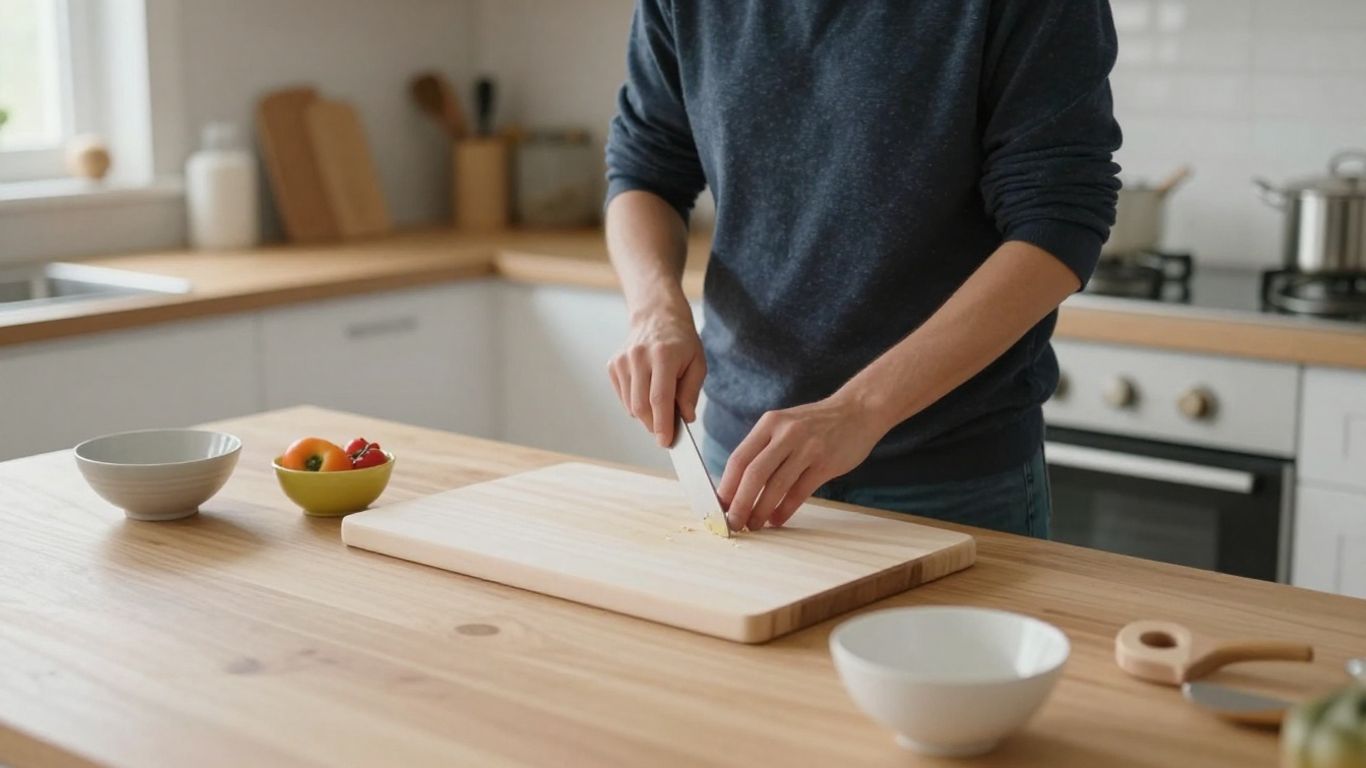
A maple cutting board for kids learning to cook can be a steady, useful prep surface, but the board itself does not make knife work safe. Choose a size and weight your child can handle, set up the station carefully, and match each task to their developing skills.
- Choose a board that fits the task and is manageable for the child to move.
- Keep the board stable, the work area clear, and adult knives out of reach until appropriate.
- Begin with simple food-prep jobs, then build cutting skills with close supervision.
- Keep raw meat and its juices separate from ready-to-eat foods.
- Hand-wash and fully dry the board; oil it when the wood looks dry.
Why maple can work well for young cooks
Maple offers a firm, dependable surface for everyday prep, and its light color makes food easy to see. For a young cook, that can make a simple job like slicing a strawberry feel more organized. Wood still needs proper cleaning, and no board can replace attentive supervision.
A sturdy surface for basic prep
Hard maple is a hardwood with a close grain, making it a practical choice for a board used for routine kitchen tasks. A flat, steady surface gives a child room to practice basic movements without balancing ingredients on a plate or countertop. The board is only one part of that setup, though: it should sit securely and suit the child’s reach.
How wood compares with plastic and glass
Each surface has different everyday trade-offs. The comparison below is a general guide, not a substitute for cleaning a board carefully after food preparation.
| Surface | Everyday strength | Practical trade-off |
|---|---|---|
| Maple wood | Firm surface for routine prep | Hand-wash and dry promptly |
| Plastic | Lightweight and easy to handle | Knife cuts can score the surface |
| Glass | Nonporous surface | Hard under a knife and can be slippery |
For a young cook, choose based on the task, stability, and how easily you can clean the board. A separate board for raw meat can also simplify food handling. Maple is a reasonable everyday option, but it does not make food safer on its own.
What a cutting board can and cannot do for safety
A board keeps food contained and gives a child a defined work area. It cannot stop a knife from slipping, prevent cross-contamination by itself, or make an unstable counter safe. A board they can control is a better starting point than one chosen only for appearance or size.
Choose a board a child can manage
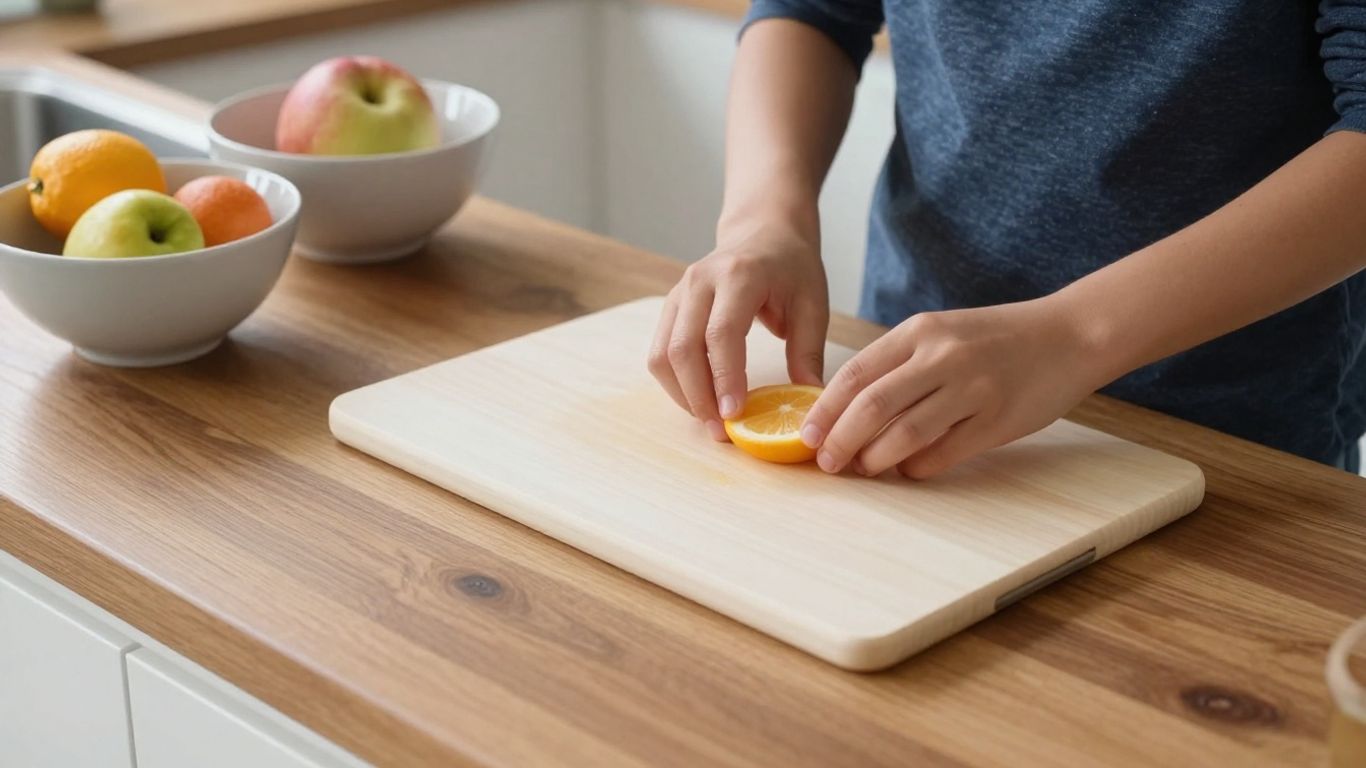
A child’s board should fit the work surface and the job, without being so small that food spills off the edge. A compact board is easier to position, but too little room can crowd a child’s hands and ingredients. Think about lifting and washing it, too, not just how it looks on the counter.
Match board size to the counter and the task
For a small job such as cutting a soft fruit with supervision, a modest board may be enough. For a recipe with several ingredients, leave space for the food and the child’s hands. Measure the available counter area and consider whether the board will fit in the sink for washing; this maple board size that fits your counter guide can help you think through those practical limits.
Look for a stable base and easy-to-grip edges
A board should sit flat and stay put under ordinary pressure. If it has feet, check that all are firmly attached and make contact with the counter. Rounded or eased edges can make it easier to reposition the board, though a child should still lift it with an adult nearby if it feels awkward.
Check the board’s weight before buying
Weight affects whether a child can carry a board to the sink, and whether it feels steady during use. A hard-maple board listed at 17 by 13 by 1.75 inches and about 10 pounds is a useful example of an adult-sized board that may be too heavy for a young helper to move alone. The End-Grain Maple Cutting Board is one such option; use its dimensions as a comparison point rather than assuming a substantial board suits every child. This site is published by the team behind Bevel & Bond.
Avoid cracks, loose parts, and slippery finishes
Before using a board, inspect both sides and the edges. Deep cracks, loose feet, splinters, or a finish that feels slick under a damp hand are reasons to set it aside until repaired or replaced. A child’s board should be easy to inspect and easy to keep clean, not a project that needs constant troubleshooting.
Set up a safer cutting station
A simple station makes it easier for a child to focus on one task at a time. Set the board at a height where they can see the food and work without leaning far over it. Keep the area calm and uncluttered; a kitchen counter can get crowded surprisingly fast.
Place the board at a comfortable height
Use a sturdy work surface and check that the child can stand comfortably with both feet supported. If they need a stable step stool, an adult should position it and make sure it cannot shift. Avoid having a child cut while perched on a chair or reaching across a counter.
Keep the board from sliding with a damp towel
A thin, damp towel placed under the board can help keep it from moving. It should lie flat, with no folds or loose corners sticking out. Check the board with a gentle push before food or tools go on it; if it shifts, reset the towel or choose another surface.
Clear space for ingredients, tools, and scraps
A little organization gives the child fewer things to reach over. Set out only what the recipe needs, with a container for scraps and a clear spot for finished ingredients. A basic sequence can keep the work manageable:
- Put washed ingredients within easy reach.
- Set the tool for the current task beside the board.
- Place a small bowl nearby for scraps or prepared food.
- Move unused tools and ingredients away from the cutting area.
That arrangement gives the child a clear place to work and helps you keep track of what is clean and ready to eat. Adjust the setup if their hands have to cross over a blade or reach past a pile of food.
Keep adult knives out of reach until a child is ready
Keep sharp adult knives elsewhere while the child is working, rather than leaving them on the counter for later. Decide which tool is appropriate based on the child’s coordination, instructions they can follow, and the level of supervision you can provide. Read the tool’s guidance and stay close enough to intervene.
Match tools and tasks to a child’s ability
Children develop kitchen skills at different rates, so start with what they can do carefully and repeatably. A child can contribute without using a knife at all. Keep the task brief, demonstrate it first, and give direct supervision whenever a cutting tool is involved.
Start with spreading, tearing, and measuring
Spreading soft toppings, tearing greens, rinsing produce, and measuring ingredients are useful ways to join in before cutting. These jobs build familiarity with the recipe and with working at the counter. A kid-sized cutting board project may also be a fun family activity, but making a board does not replace learning to use it safely.
Choose child-safe knives based on supervision and skill
A child-oriented knife may reduce some risks, but its label is not a substitute for instruction or supervision. Select a tool that fits the child’s hands and the food being prepared, and follow the maker’s guidance. If you cannot give the task your full attention, choose a non-cutting job instead.
Practice with soft foods before firmer ingredients
Start with foods that yield easily under gentle pressure, such as a ripe banana or soft strawberry. Firmer, round ingredients can be harder to steady and may roll. Let the child get comfortable with positioning food and controlling the tool before moving to more challenging ingredients.
Teach the claw grip and slow, controlled cuts
Show the child how to curl the fingertips of the guiding hand away from the blade, with the knuckles facing the cutting edge. Demonstrate slowly, and have them pause if the food shifts or they lose control. Keep your own hands clear of the blade path while guiding them.
Build good food-handling habits
Good kitchen habits are part of learning to cook, not a separate lesson for later. Teach children to keep hands, tools, and work surfaces clean as they move between tasks. Simple routines make it easier to notice when something needs washing or setting aside.
Wash hands before and after food prep
Have the child wash with soap and water before handling food and again after finishing. Repeat handwashing after touching raw ingredients, a face, or anything outside the prep area. Make it an ordinary pause in the recipe rather than a scolding interruption.
Keep raw meat and its juices away from ready-to-eat foods
Keep raw meat and its juices separate from foods that will be eaten without further cooking, such as washed fruit or salad ingredients. Use a separate board when possible, and do not place ready-to-eat food on a surface that held raw meat unless it has been properly washed. Adults should manage raw-meat prep while a child is learning.
Use clean utensils and containers for each task
A utensil that touched raw food should not go back into a bowl of finished ingredients. Set out clean containers and tools before starting, and put used items aside instead of reusing them by accident. These small habits help a child understand that clean preparation continues throughout the recipe.
Get adult help with hot food and sharp tools
Children should ask an adult before handling a sharp tool they have not practiced with or food near heat. Adults should manage hot pans, ovens, and draining boiling water. A clear rule that the child pauses and calls for help is easier to remember than a long list of exceptions.
Clean and care for the maple board
Care is straightforward: wash the board by hand soon after use, then dry it fully. Keep it out of standing water and away from the dishwasher. A child can help with cleanup, while an adult checks that the board is clean and dry before storage.
Wash by hand soon after cooking
Use mild soap and warm water, and wash both sides rather than soaking the board. Rinse away food residue, especially after cutting juicy or strongly flavored ingredients. Prompt cleaning makes the job simpler and avoids leaving food on the surface while everyone moves on to the next thing.
Dry the board upright and fully
Wipe the board with a clean towel, then stand it upright so air can reach both sides. Put it away only when it is dry. Do not leave it submerged or run it through a dishwasher; prolonged water and heat can damage wood.
Use food-safe oil when the wood looks dry
When the surface begins to look or feel dry, apply food-grade mineral oil or a suitable board conditioner according to its directions. Avoid cooking oils such as olive or vegetable oil for routine board care. If you want more detail, this guide to caring for a maple board explains a practical upkeep routine.
Replace or refinish a board with deep cracks or persistent odors
A deep crack can be difficult to clean thoroughly, and a lingering odor after careful washing may signal that the board needs attention. Stop using a damaged board for food prep until it has been properly repaired or replaced. Light surface wear is different from a split or loose part, so inspect the board regularly.
Grow kitchen skills through repeatable routines
Children gain confidence by doing a manageable job more than once, not by being handed the whole recipe at once. Keep expectations realistic and let the child work at a careful pace. The goal is steady participation, with an adult still responsible for safety.
Give the child one clear job at a time
Offer one specific task, such as washing apples or measuring flour, and explain what finished looks like. When it is done, check it together before moving on. Clear stopping points help the child focus and make it easier for you to supervise.
Let them help plan a simple recipe
Invite the child to choose between a couple of suitable recipes or help count ingredients. Planning can include reading the steps, gathering utensils, and deciding which jobs they can handle. Start with a short recipe so that preparation and cleanup do not turn into an endurance event.
Make cleanup part of the lesson
Let the child put scraps in the compost or trash, carry lightweight utensils to the sink, and help wipe the counter. An adult should wash and check the board, especially after raw foods. Finish by storing tools safely and leaving the prep area ready for the next cook.
Increase responsibility as skills improve
Add one new responsibility at a time when the child can follow instructions and work calmly. A child who can handle a soft-food cutting task under close supervision may be ready for another step later, but there is no useful deadline. Keep adult oversight in place as tools and ingredients become more challenging.
Setting kids up to cook safely
A maple board can be a practical part of a child’s first kitchen routines when it fits the counter, stays stable, and is easy to clean. Start with simple jobs, keep sharp tools and raw foods under adult control, and add responsibility only as your child shows readiness.
Frequently Asked Questions
Is maple a good wood for a child’s cutting board?
Maple is a firm hardwood commonly used for cutting boards. Choose a board with a smooth surface and sound construction, and remember that safe use depends on setup, cleaning, and supervision.
What size cutting board should a child use?
Choose a board that fits the counter and leaves enough room for the food and the child’s hands. It should also be manageable for an adult or older child to lift and wash.
How do I stop a cutting board from sliding?
Place a thin, damp towel flat beneath the board and check that the board does not shift before starting. If it still moves, reset the towel or use a different work surface.
What can young children do in the kitchen without a knife?
They can wash produce, tear greens, spread soft ingredients, measure, and help gather tools. Pick tasks that suit the child’s attention and coordination, and supervise them at the counter.
When can a child start using a knife?
There is no single age that suits every child. Consider their coordination, ability to follow instructions, the tool and food involved, and whether an adult can supervise closely.
How should you clean a maple cutting board?
Hand-wash it soon after use with mild soap and warm water, then towel-dry it and stand it upright to finish drying. Do not soak it or put it in a dishwasher.
How often should you oil a maple cutting board?
Oil it when the wood looks or feels dry, using food-grade mineral oil or a board conditioner intended for cutting boards. Follow the conditioner’s directions and avoid cooking oils for maintenance.