MAPLE BOARDS
Ambrosia maple end grain cutting board: what to know before you buy
Choose an ambrosia maple end grain cutting board with clear advice on grain, construction, care, and everyday tradeoffs.
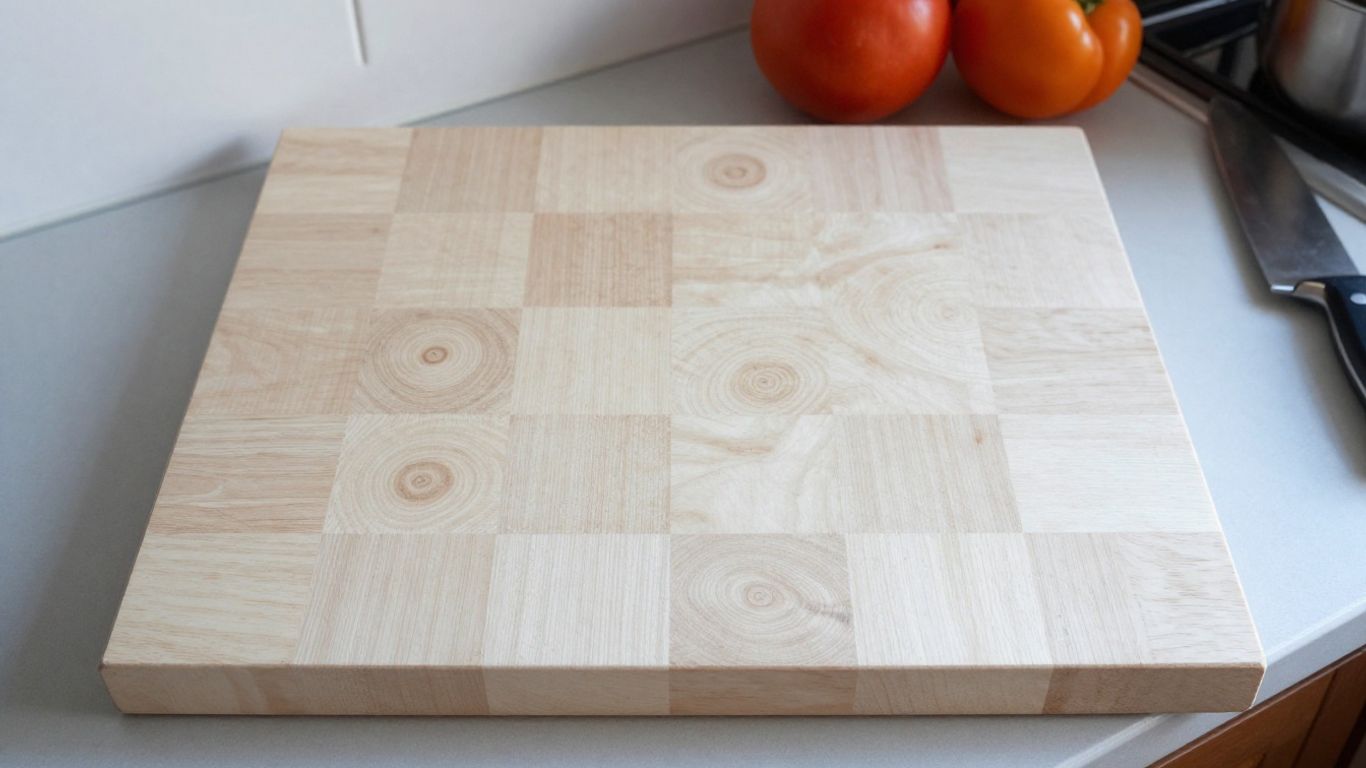
The short answer
An ambrosia maple end grain cutting board pairs a naturally streaked appearance with a block-patterned cutting surface. The look is distinctive, but sound construction, manageable size, and straightforward care matter more than the markings.
- Ambrosia streaks vary in color, shape, and amount from board to board.
- End-grain construction can soften the feel of knife contact, but it does not make a board mark-proof.
- Check glue joints, flatness, finish, and the wood species before buying.
- Wash by hand, dry promptly, and condition with food-grade mineral oil or a suitable board balm.
- Choose based on how you cook and handle a board, not appearance alone.
What makes ambrosia maple different
Ambrosia maple is maple marked by ambrosia beetle activity, which leaves characteristic streaks in the wood. Those markings make each board visually different, but they do not tell you by themselves whether the board is well made. Look at the actual surface and construction, not just the name.
How ambrosia beetle activity creates the streaked pattern
Ambrosia beetles bore into a tree and introduce fungi that stain the surrounding wood. The resulting color often appears as narrow, irregular streaks, sometimes alongside small galleries or pinholes. The visible pattern is a natural consequence of the tree’s history, not a stain applied to create a decorative effect. The term wormy maple is often used for wood with these characteristic marks, though the amount and appearance of the figure vary.
Why the wood’s color and markings vary from board to board
No two pieces have quite the same balance of pale background and darker streaks. A board assembled from several blocks can show abrupt changes in figure from one square to the next, while another may have a quieter, more even look. That variety is part of the appeal, but photos may not show the exact board you receive. Treat the color as an aesthetic preference, not a reliable indicator of hardness or quality.
How to tell natural character from cracks or defects
Streaks are generally flat color changes within the wood; cracks and open voids have depth you can see or feel. Inspect the board in good light and run a fingertip over suspicious spots. A tight, smooth mark is different from a split that catches a fingernail, a loose knot, or a gap along a glue joint. Natural figure is not a quality grade, so a handsome pattern still deserves a careful inspection.
How end-grain construction affects cutting
End grain is made by arranging wood blocks so their cut ends form the working surface. That orientation gives the board its familiar checkerboard appearance and can feel different under a knife than long-grain construction. It is a useful design, not a promise that your blade will leave no marks.
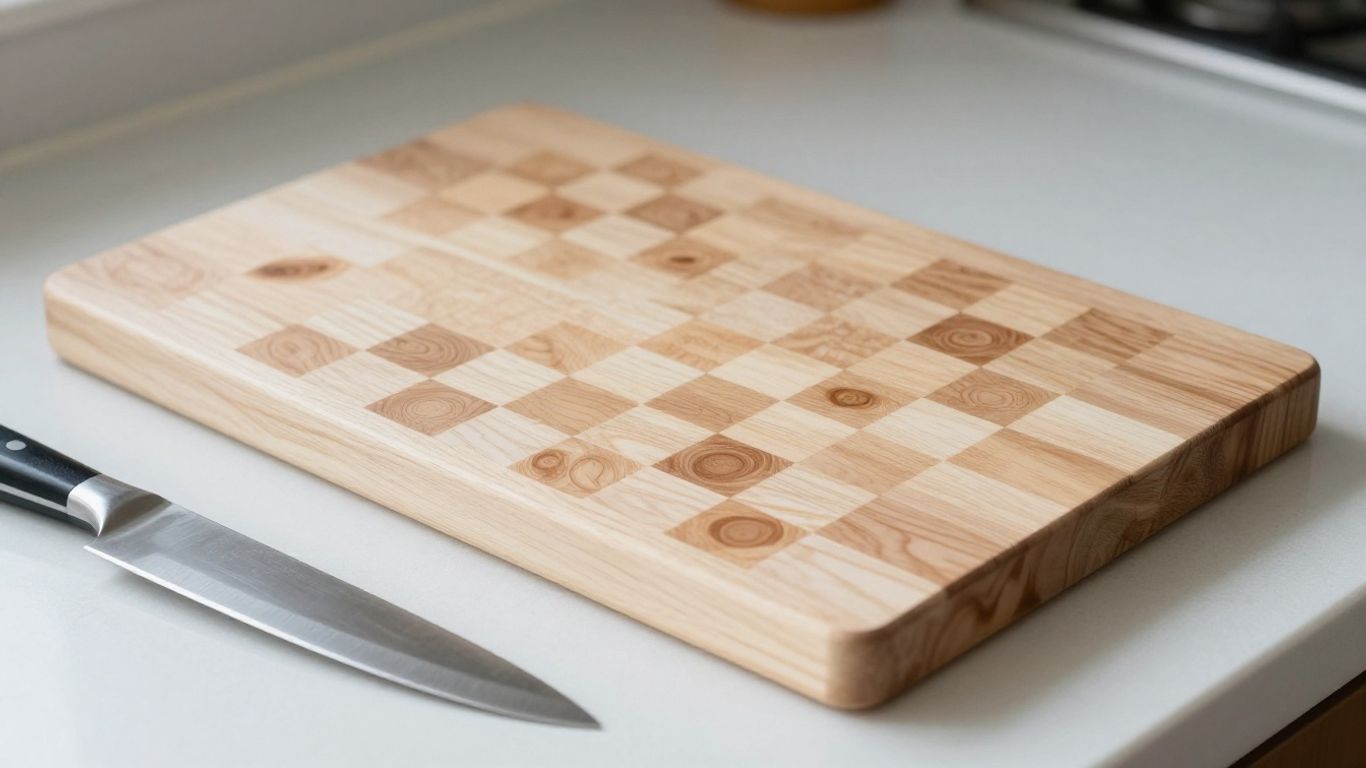
How the exposed wood fibers meet a knife edge
On an end-grain board, the knife meets the ends of the fibers rather than traveling across their length. The surface can yield slightly around a blade, which many cooks find gentler in feel than a harder, less yielding work surface. It still takes sharp knives and ordinary care; the board is wood, not a self-repairing surface. A few shallow marks are normal with regular chopping.
What end grain can and cannot do to hide knife marks
The block pattern can make small cut marks less obvious than they might be on a smooth, uniform surface. But knife marks do accumulate, and deep cuts can hold food residue or make cleaning less straightforward. End grain does not remove the need to wash the board promptly or keep its surface in reasonable condition. If you want a broader side-by-side look at the trade-offs, see this end-grain and edge-grain comparison for maple boards.
Why end-grain boards are often thicker and heavier
A block assembly needs enough thickness to stay stable and to leave room for a durable working surface. The trade-off is weight: a thick board can sit firmly on the counter, but it is less convenient to lift, rinse, and put away. For one concrete reference point, the Bevel & Bond End-Grain Maple Cutting Board measures 17 by 13 by 1.75 inches and weighs about 10 pounds. That is a useful scale to compare with your own sink, counter space, and storage spot.
Strengths and tradeoffs for everyday use
An ambrosia maple end-grain board can suit frequent prep if you value a substantial board and a distinctive surface. Its practical performance depends on the actual maple species, construction, and care, not just the word “ambrosia.” Expect a sturdy kitchen tool with some weight and routine maintenance attached.
What the wood’s species and hardness mean for durability
“Ambrosia” describes the markings, not a separate maple species or a hardness rating. Maple species vary, so ask whether the maker identifies the wood as hard maple or soft maple rather than assuming from appearance. For context, hard maple has a Janka hardness rating of 1,450 lbf; that figure should not be applied automatically to every ambrosia maple board. Species identification matters more than a confident-sounding product label.
How the surface compares with edge-grain maple
End grain shows the cut ends of joined blocks, while edge grain presents the long sides of boards in parallel strips. The difference affects appearance, knife feel, construction, and often price and handling. This table gives you a practical starting point, though workmanship can change how any individual board performs.
| Feature | End-grain maple | Edge-grain maple |
|---|---|---|
| Surface pattern | Block or checkerboard layout | Long, parallel strips |
| Knife contact | Blade meets exposed fiber ends | Blade meets the side of the fibers |
| Typical handling | Often thicker and heavier | Often easier to lift and store |
| Main buying check | Sound block joints and a flat surface | Sound long seams and a flat surface |
Neither orientation wins every kitchen. If you chop often and like a substantial board, end grain may suit you; if easy handling matters more, edge grain can be the simpler fit.
When weight, cost, or upkeep may be a drawback
The very heft that helps a board feel planted can make daily cleanup a nuisance, especially if you have to lift it into a small sink. End-grain assemblies also involve more joinery, which can contribute to a higher price, though costs vary by size and maker. Before buying, consider where it will live and whether you will move it after every use. A board that is too cumbersome tends to become counter decor, and chopping on decor is a short-lived plan.
What to check before choosing a board
Start with the construction and the fit for your kitchen, then decide whether the particular streak pattern appeals to you. A striking surface cannot compensate for poor glue joints, an unstable base, or a size you will avoid using. If possible, inspect the actual board rather than relying on a single image.
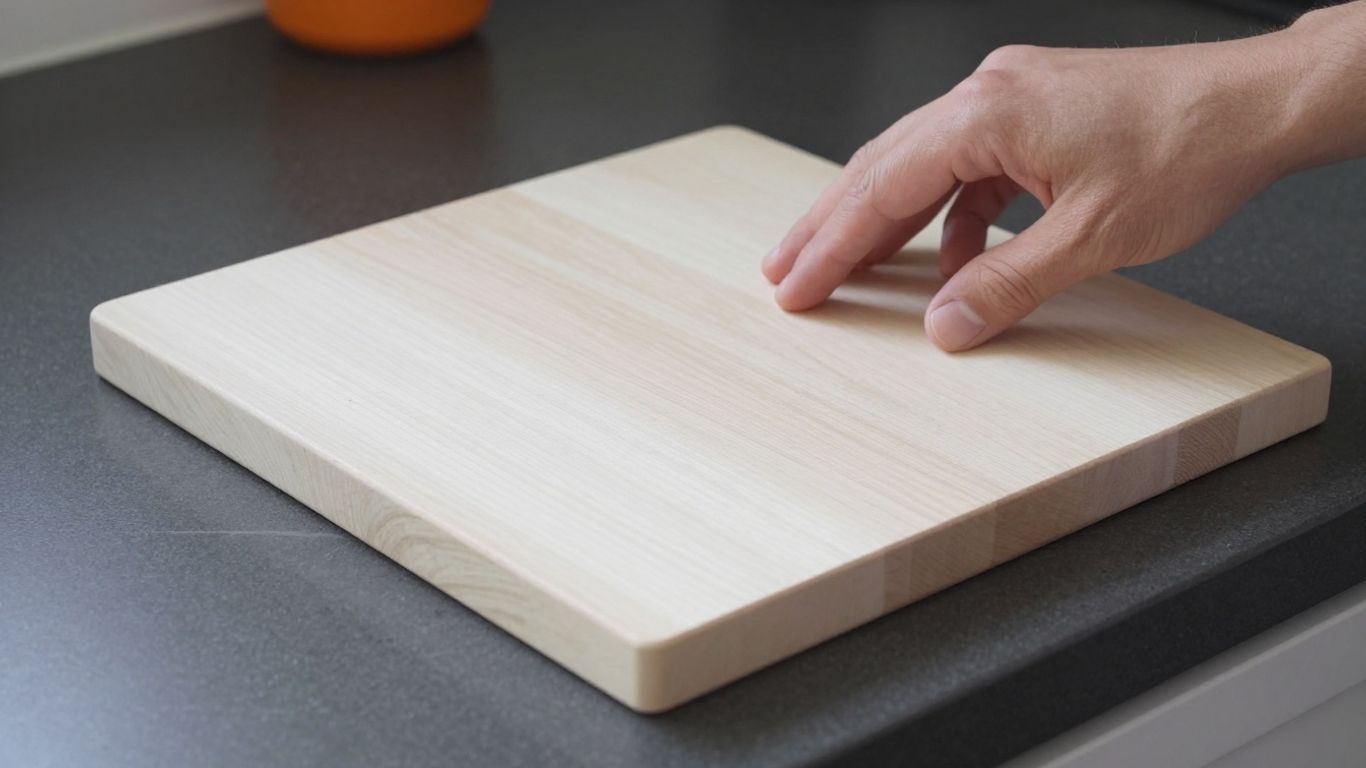
How to assess the panel’s joinery and overall construction
Look across the surface for gaps, raised edges, and blocks that seem to sit at different heights. The board should rest flat and feel solid rather than rock on the counter. If you are inspecting a listing or asking a maker questions, focus on a few specific details:
- Are the glue lines closed and even, without visible gaps?
- Does the board sit flat, with no rocking or twist?
- Are the corners and edges smooth, without splinters or loose pieces?
- Is the cutting face continuous, without open holes or deep voids?
These checks do not require expert tools, just a careful look and a hand across the surface. If anything seems questionable, ask for a clear close-up or choose another board.
What to look for in the wood’s drying and finish
Ask whether the wood was properly dried before assembly and whether the surface has a food-safe finish. A dry board can still respond to changes in moisture, so the maker’s handling and your care both matter. The finish should feel even rather than sticky or patchy, and there should be no strong unexplained odor. You can also compare the seller’s care instructions with a practical maple board care schedule.
Which size and thickness fit your prep habits
Think about the amount of counter space you can spare and the typical size of your prep jobs. A larger work area is convenient for separating ingredients, but only if it fits comfortably near your sink and has somewhere to dry. The Bevel & Bond End-Grain Maple Cutting Board is one specific size, 17 by 13 inches and 1.75 inches thick, so compare those measurements with your available space rather than assuming a product photo gives you scale. The best size is the one you can use and clean without a small negotiation with the kitchen.
How to clean and maintain the board
Wood boards need regular, uncomplicated care: wash by hand, dry them promptly, and condition the wood when it looks dry. Do not soak an end-grain board or put it in the dishwasher. Moisture and heat can stress wood, so steady habits help reduce the risk of warping and cracking without making any board immune to them.
How to wash it without soaking the wood
After prep, wash the board with mild soap and warm water, using a sponge or cloth to clean both sides. Rinse rather than leaving it under running water longer than needed, and avoid submerging it in a sink. Raw meat residue deserves prompt, thorough cleaning, as it would on any food-contact surface. For more detail, follow this wooden cutting board cleaning guide.
When to apply food-safe oil or conditioner
When the wood starts to look dry or feel rough, apply food-grade mineral oil or a suitable board conditioner. A monthly application is a reasonable routine for regular use, though a board in a dry kitchen may need attention sooner. Bevel & Bond Board Balm is described as a mineral oil and beeswax conditioner; whichever product you choose, follow its directions and do not substitute cooking oil. Let the conditioner absorb, then wipe away any excess before using the board.
How to dry and store it to limit warping and cracking
Dry the board upright so air can reach both faces and the edges. Keep it away from standing water, direct heat, and prolonged sunlight, and do not store it flat while damp. If you need a more detailed routine, these end-grain maple board storage tips cover airflow and placement. Regular drying cannot guarantee that wood will never move, but it can help you avoid unnecessary moisture stress.
Is an ambrosia maple end-grain board right for you?
It is a good fit if you enjoy natural variation and want a substantial end-grain surface for regular kitchen prep. It is less appealing if you need a lightweight board, a uniform appearance, or the simplest possible maintenance routine. Be honest about what you will use, not just what looks good in a product photo.
When its distinctive figure is worth prioritizing
Choose ambrosia maple if the irregular streaks are part of what you want to see on the counter. Each board’s appearance differs, and that variation can make a block-pattern surface feel less formal than a uniform checkerboard. For a board intended to stay out between meals, distinctive figure may be a plus. Just keep the natural markings separate in your mind from the construction checks every board needs.
When a simpler maple board may be the practical choice
A plainer maple board may be easier to choose if you prefer an even color or want to focus on dimensions, thickness, and handling. The grain orientation still matters, but you do not have to weigh the appeal of every streak. If you are choosing between end grain and edge grain, consider the difference in maple board weight and handling as well as the surface pattern. A less dramatic board can be the more useful one if it better fits your routine.
How to weigh appearance, performance, and maintenance
Make the decision in that order: confirm the species and build, decide whether the size and weight work for you, then choose the pattern you like. Ambrosia marks are a visual feature, not a substitute for solid joinery or careful upkeep. If the board meets your practical needs and you like its natural variation, the distinctive appearance is a welcome extra. If not, a simpler maple board is no consolation prize; it is just the one you are more likely to use.
Choosing an ambrosia maple end-grain cutting board
An ambrosia maple end grain cutting board can bring character and a substantial cutting surface to everyday prep, but the streaks are only part of the decision. Check the species, joinery, finish, size, and weight, then be prepared to wash and dry the board by hand and condition it as needed. Choose the one that fits your kitchen habits as well as your eye.
Frequently Asked Questions
Is ambrosia maple a type of maple?
Ambrosia maple is a name for maple wood with characteristic discoloration associated with ambrosia beetle activity. The name describes the figure, not a specific maple species or hardness level.
Is an ambrosia maple cutting board safe for food preparation?
A properly made, food-contact cutting board can be used for food preparation. Check that the finish is intended for food-contact use, and wash the board thoroughly after preparing raw foods.
Are ambrosia maple boards made from hard maple?
Not necessarily. Ambrosia describes the markings, so ask the maker to identify the maple species rather than assuming it is hard maple.
Does end grain prevent knife marks?
No. End grain may make some small marks less noticeable, but ordinary knife use can still leave marks, and deeper cuts can develop over time.
How often should you oil an end-grain maple board?
About once a month is a useful starting point for regular use. Apply food-grade mineral oil or an appropriate board conditioner when the wood looks dry, adjusting the interval to your kitchen and use.
Can you put an end-grain maple board in the dishwasher?
No. Wash it by hand with mild soap and warm water, then dry it promptly. Dishwasher heat and prolonged moisture can stress the wood.
How should you store an end-grain maple cutting board?
After washing, dry the board upright so air can reach its faces and edges. Store it away from standing water, direct heat, and prolonged sunlight.
SEE AN EXAMPLE