MAPLE BOARDS
Wusthof Classic vs Ikon: Handle, Balance, Price
Wusthof classic vs ikon: compare handle shape, bolster, balance, blade access, and price before choosing.
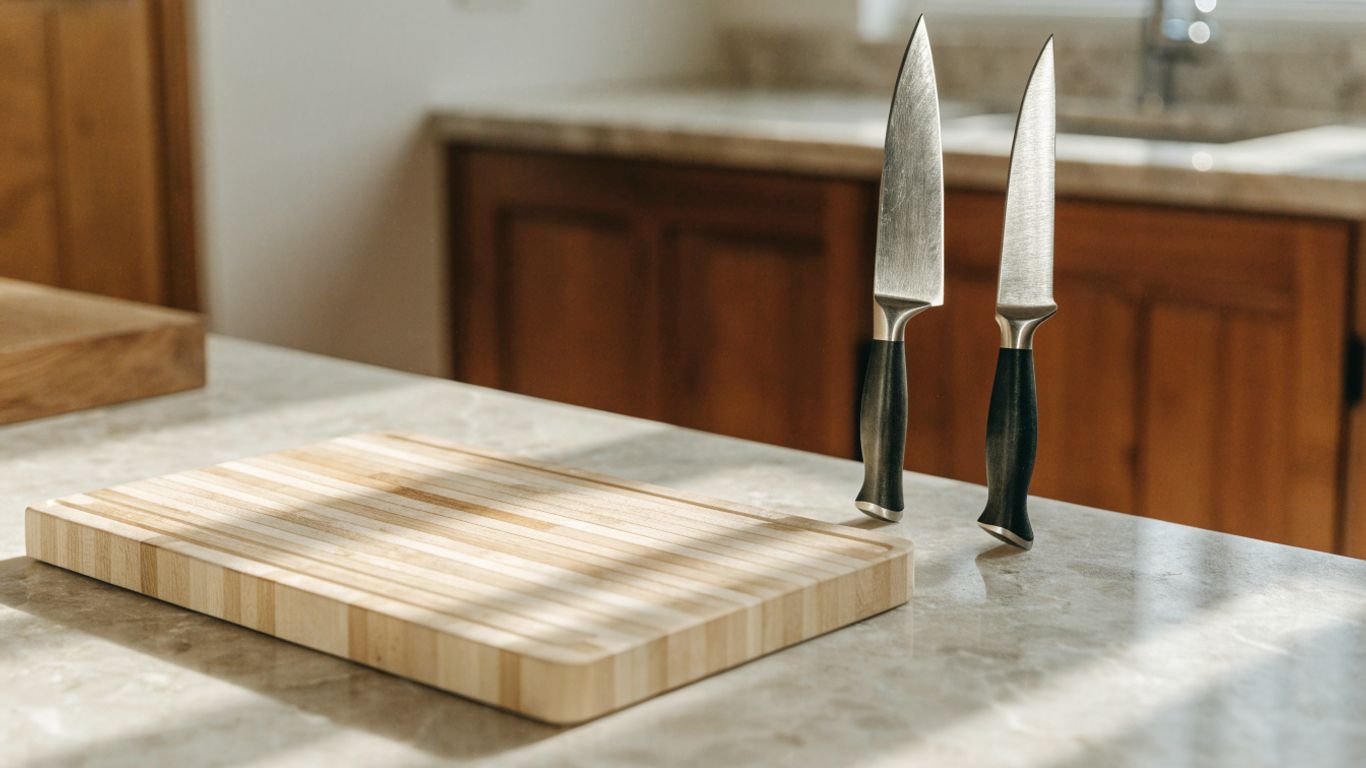
Wüsthof Classic vs Ikon at a glance
If you’re choosing between Wüsthof Classic and Classic Ikon, the main differences are the handle shape, bolster, and finish, rather than a different blade platform. Both lines are described as fully forged stainless-steel knives with the same blade construction and edge process. Your choice comes down to how each knife feels in your hand and how much access you want near the heel of the blade.
The main differences in handle, bolster, and finish
Classic has a traditional three-rivet handle and a full bolster, while Ikon has a more contoured handle and a half bolster that leaves more of the edge exposed near the heel. The lines also differ in finish and overall styling, so it helps to compare the same knife shape and size rather than a chef’s knife from one line with a smaller knife from the other. Those distinctions affect how the knife feels and how much of the edge is accessible; they don’t, by themselves, establish that one will cut better.
| Feature | Classic | Classic Ikon |
|---|---|---|
| Handle | Traditional three-rivet design | More contoured shape |
| Bolster | Full bolster | Half bolster |
| Blade construction | Fully forged stainless steel | Fully forged stainless steel |
| Edge | PEtec edge | PEtec edge |
The table captures the broad line-level comparison, not every variation in a retailer’s listing. Check the exact knife’s specifications before buying, especially if you’re comparing a set or a less common blade shape.
What the two lines share in blade construction
The broad comparison describes both lines as fully forged, with stainless-steel blades and the same PEtec edge process. That means the central decision is not a documented change in blade construction between these lines. Instead, expect the handle and bolster differences to shape the feel and maintenance access you notice most.
Why the exact knife model matters when comparing them
A useful comparison keeps the blade shape and size alike. A chef’s knife is a more meaningful match against another chef’s knife than against a santoku or paring knife, since the different shapes naturally serve different tasks. For a wider look at how to weigh specifications, feel, and fit across German knife lines, see this German knife comparison guide.
Handle design and comfort
Handle comfort is personal, and the shape that feels secure to you may not be the one that looks most refined on a product page. The traditional and contoured profiles give you two different starting points, but neither guarantees a better fit for every hand. If you can, hold the exact knife before buying; otherwise, pay close attention to the handle profile and the way you normally grip a knife.
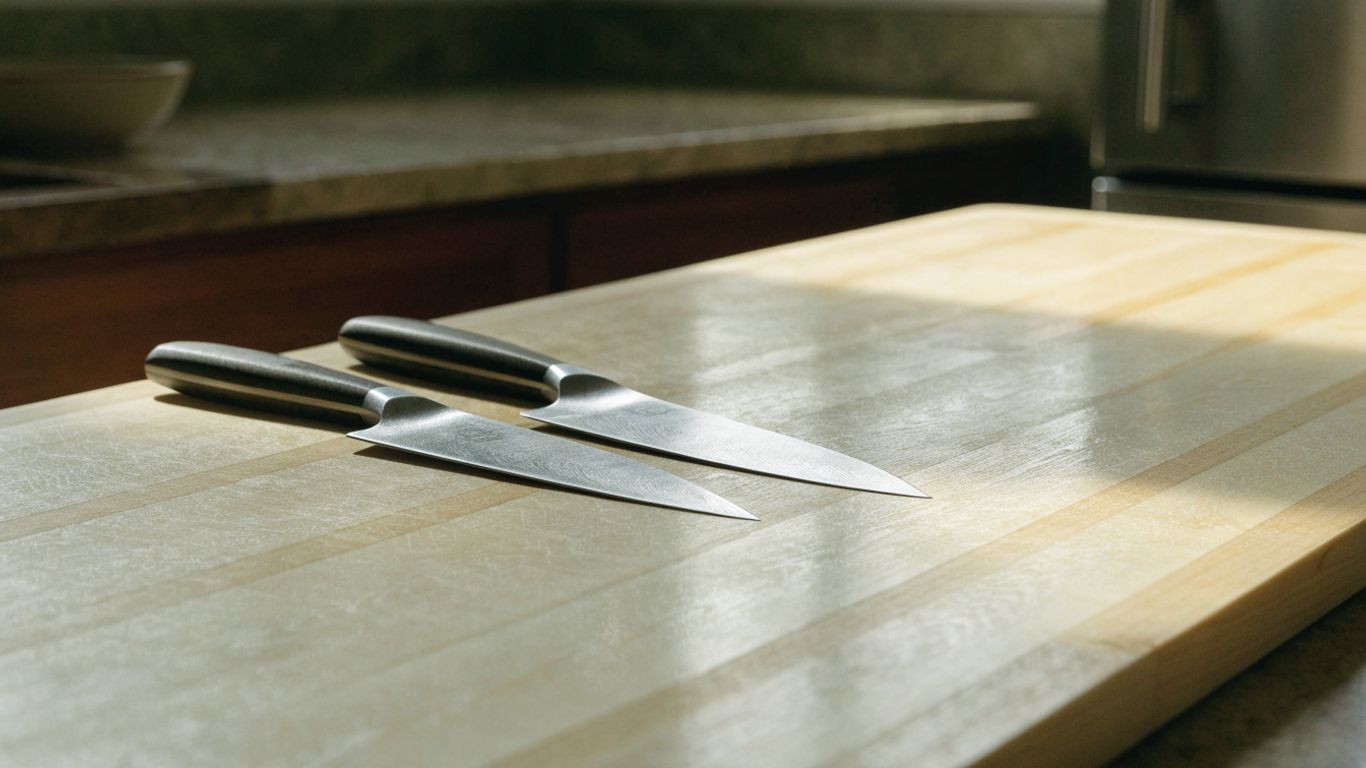
Classic’s traditional three-rivet handle
The Classic handle has three visible rivets and a traditional profile. If you prefer a familiar, straightforward shape, that design may feel easier to assess than a more sculpted handle. Still, the number of rivets alone tells you little about whether the handle will suit your hand, so consider the overall shape as well.
Ikon’s contoured handle and refined finish
Ikon’s more contoured handle gives the line a different feel and appearance. It may appeal if a shaped handle seems more comfortable to you, but the best way to judge that is to hold the knife in your usual grip. A polished finish is a visual distinction; don’t assume it changes the cutting performance.
How hand size and grip style affect comfort
Hand size and grip style change what you notice. A handle that feels roomy in a relaxed handle grip may feel quite different when you pinch the blade near its heel. Before settling on a model, consider a few practical checks:
- Does the handle feel secure without squeezing tightly?
- Can you shift between your usual grip positions comfortably?
- Does the shape feel balanced in your hand, not just when resting on a counter?
- Is the knife comfortable to lift and reposition?
These are fit checks, not a ranking of either line. If you’re also choosing several knives, a German knife set builder can help you focus on the pieces that match how you cook.
Balance and feel in use
Balance is not a single number that predicts comfort for everyone. The overall weight, handle shape, and bolster all contribute to how a knife feels when you lift and guide it. Since no exact weight figures are established here for matching models, compare the same knife shape and size in person when possible.
Where each knife’s weight tends to sit
Both lines are described as fully forged, and forged knives can feel substantial compared with lighter constructions. That does not mean every model will feel the same in your hand: blade size and handle shape affect the impression of balance. Rather than relying on a general claim that one line is lighter or more blade-heavy, try to assess the specific knife you intend to buy.
How the bolster changes the feel near the blade
The bolster is the thicker transition between handle and blade, and its shape changes the feel near the heel. A full bolster covers more of that area, while the half bolster leaves more of the cutting edge exposed. That difference is especially noticeable when your grip or cutting motion brings your hand close to the heel.
Which design may suit a pinch grip or handle grip
A pinch grip places your fingers near the blade heel, while a handle grip keeps them farther back. The more open heel on the half-bolster design can feel less obstructed to some cooks using a pinch grip, while someone who prefers a traditional handle grip may care more about the handle’s shape. There is no universal winner here; comfort depends on your hand and habits.
Blade design and everyday maintenance
For the same knife shape and size, the available comparison describes the two lines as sharing their blade construction and edge process. The clearest practical distinction is the bolster: it changes how much of the edge is exposed near the heel. That matters when you consider future edge maintenance, though it does not tell you which knife will feel better in every cutting task.
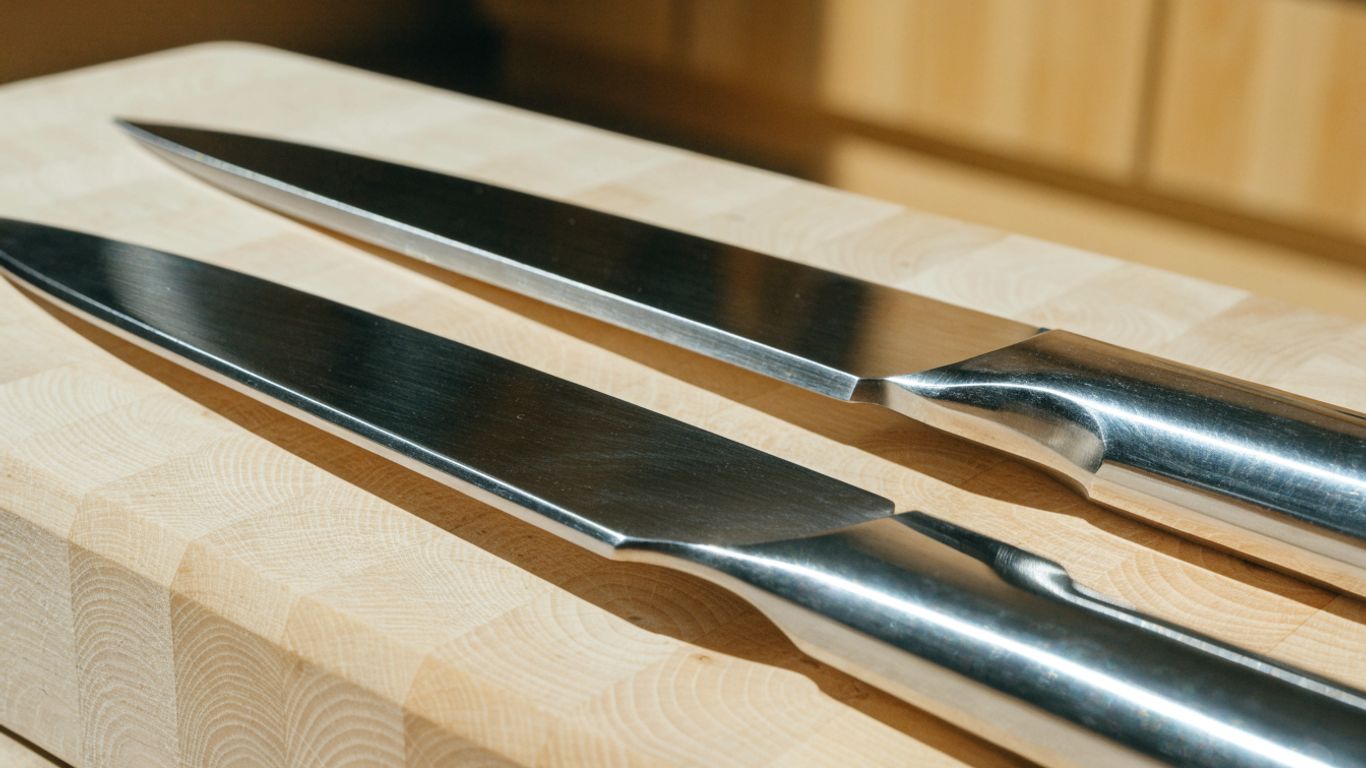
Full bolster on Classic versus half bolster on Ikon
Classic’s full bolster extends farther over the heel area, while Ikon’s half bolster leaves more of the cutting edge open. This is a visible construction difference, not a claim that one line’s blade is made from a different steel. If heel access matters to you, inspect the side profile of the exact model rather than relying on a general product photo.
Sharpening access along the full edge
The half bolster leaves more of the edge accessible near the heel, which can make it easier to work along the full edge during sharpening. With a full bolster, that section is less exposed as the edge is maintained over time. This is an access difference; it isn’t a substitute for checking the care guidance for the specific knife.
What to expect from cutting performance in the same knife size
The available comparison identifies no difference in the blades of the two lines, including their PEtec edge process. On that basis, the handle and bolster are the more relevant distinctions when you’re comparing matching knife sizes. Avoid assuming that a line name alone guarantees a particular cutting result; the exact shape, size, and condition of the edge still matter.
Price and long-term value
Prices can vary by knife shape, size, retailer, and whether you’re looking at a single knife or a set. Ikon is often presented at a higher price, but a changing price tag is not a reliable substitute for comparing the exact models. Look at the actual items and what you would use, then decide whether the handle and bolster differences justify the added cost for you.
Why Ikon usually costs more
The more contoured handle and refined finish distinguish Ikon’s design, and those features may contribute to a higher listed price. Still, the amount varies by model and seller, so don’t treat the line name as a fixed price rule. Check current listings for equivalent knives before deciding that the premium is worthwhile.
When the price difference may be worth it
If the contoured handle feels distinctly more comfortable to you, or access near the heel is a priority, paying more may make sense. If those differences are minor in your hand, the higher price may not add enough practical value. A useful way to decide is to make sure the extra cost buys a feature you will notice in ordinary use, rather than a finish you simply like in a photo.
How sales and knife sets affect the comparison
Sets and promotions can make a headline price misleading. Before comparing offers, check which pieces are included and whether the models match what you actually need. Use a short checklist to keep the comparison fair:
- Match the same knife shape and size where possible.
- Compare the number and type of knives included in a set.
- Check the current single-knife price as well as the set price.
- Decide whether the handle and heel access justify any difference.
That keeps the decision focused on fit and useful pieces, not just the apparent discount. For Wüsthof Classic and Classic Ikon, compare the exact product listings rather than assuming every knife in either line has the same price relationship.
Which Wüsthof line should you choose?
Choose by the difference you can actually feel: the traditional three-rivet handle and full bolster, or the more contoured handle and half bolster. The shared blade construction means the choice is primarily about fit, heel access, and price, not a documented split in blade performance. If possible, handle the exact models side by side before you commit.
Choose Classic for a familiar, straightforward workhorse
Classic may suit you if you prefer a traditional three-rivet handle and don’t mind the full bolster covering more of the heel. Its straightforward profile can be a comfortable choice when it fits your grip. This is a fit-based reason to choose it, not a claim that it performs better than Ikon.
Choose Ikon for a contoured handle and easier heel sharpening
Ikon may be the better fit if you prefer a more shaped handle and want more of the edge exposed near the heel. That open access can be useful when maintaining the full edge. Whether the extra price is justified depends on how much you value those differences in your own hand.
Compare the exact knife, fit, and price before buying
For a first knife, compare like with like: same shape, similar size, and current pricing. If you’re buying a set, confirm every included piece and avoid paying for knives you’re unlikely to use. The right fit matters most when the construction is otherwise closely matched; a short in-person comparison can settle what product descriptions cannot.
Frequently Asked Questions
What is the main difference between two knife lines?
The most useful differences to compare are handle shape, bolster design, finish, and price. Blade construction may be similar, so verify the exact models before drawing a conclusion.
Does a full bolster affect access to the heel?
Yes. A full bolster covers more of the heel area, while a half bolster leaves more of the edge exposed there. This can matter when maintaining the full edge.
Is a contoured handle more comfortable?
Not for everyone. Hand size, grip style, and personal preference all affect comfort, so holding the knife is the clearest way to judge the fit.
Should I compare chef’s knives with other knife shapes?
For a fair comparison, start with the same shape and a similar size. Different knife shapes have different proportions, which can make a line-to-line comparison less useful.
Does a higher price guarantee better cutting performance?
No. Price can reflect design and presentation as well as construction, and it does not by itself establish better cutting performance. Compare the specifications and features that matter to you.
Is a knife set better value than buying one knife?
It depends on the set’s contents and what you will use. Compare the individual pieces and the price of the specific knife you need before deciding.
What should I check before buying a kitchen knife?
Check the exact model, blade shape and size, handle fit, bolster profile, and current price. If the knife is part of a set, confirm which pieces are included.
How this guide was put together
The Maple Board Guide team writes and fact-checks every guide on Maple Board Guide. Comparisons are based on maker specifications, published standards and food-safety guidance from sources such as the USDA, and each guide is reviewed and updated when specs or prices change. More about us.