MAPLE BOARDS
Wusthof vs Zwilling: Which German Brand to Buy
Wusthof vs zwilling: compare knife lines, specifications, price, and fit to choose a German kitchen knife.
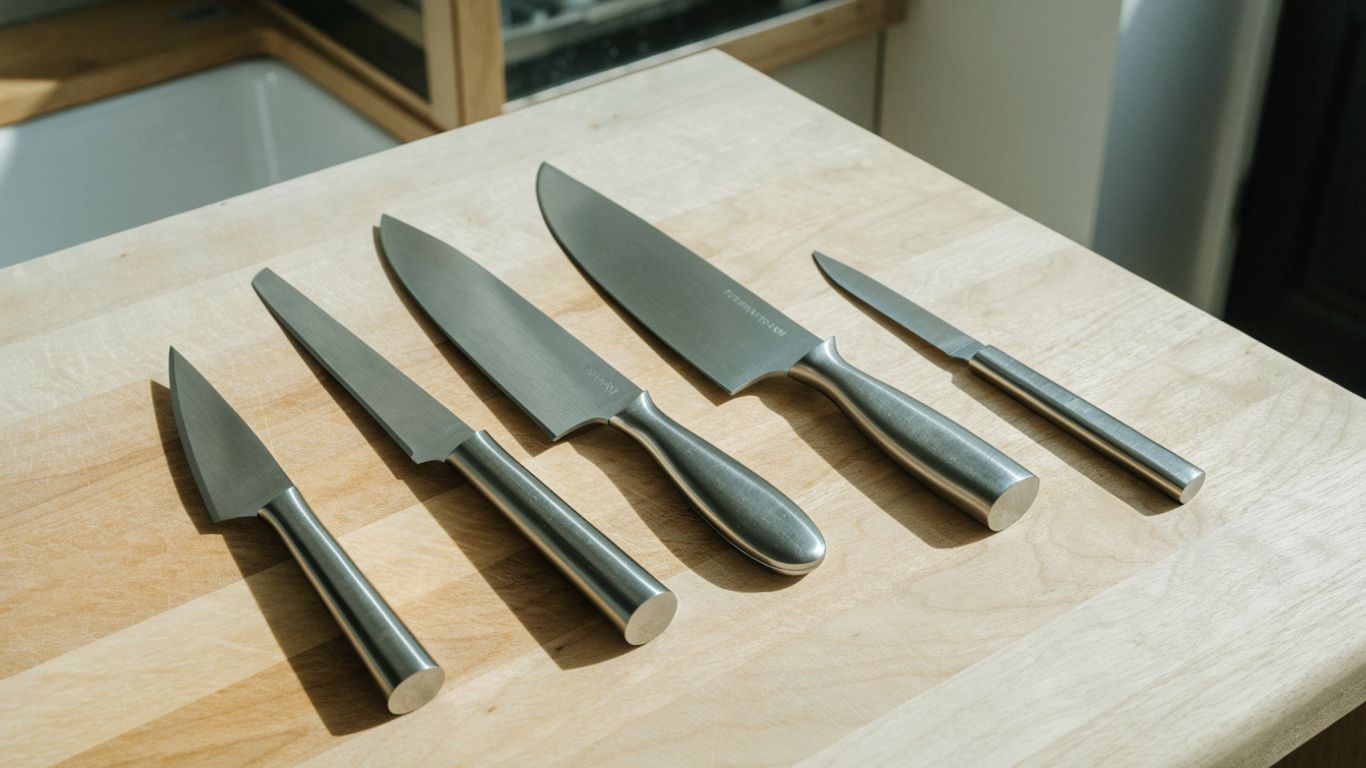
Wüsthof vs Zwilling at a glance
If you’re weighing wusthof vs zwilling, the practical answer is to compare the exact knives you’d use, not assume one brand is automatically the better buy. Both names cover multiple knife lines, so a decision based on a brand label alone can miss differences in the specific model, price, and published specifications. For a home cook, comfort and the kind of prep you do are sensible starting points.
How the two brands differ in feel and design
A knife’s feel comes from details such as its weight, handle shape, blade profile, and balance. Those details can vary from one line and model to another, so broad claims about how either brand feels may not describe the particular knife you’re considering. If possible, hold the exact model before deciding.
What they have in common
Both names appear in the German kitchen-knife category, but that shared category does not make every knife equivalent. Construction, dimensions, handle materials, and listed specifications need to be checked model by model. A useful comparison starts with what each product listing actually says, rather than assumptions drawn from the maker’s name.
Why comparing specific knife lines matters
A price or performance comparison only means much when the knives serve a similar role and have comparable dimensions. Compare a chef’s knife with another chef’s knife, and look at individual models rather than treating a boxed set as one product. That keeps the choice grounded in the tool you’ll actually use.
Blade construction and design
Construction terms can help you narrow a choice, but they are not a substitute for the specifications of the knife in front of you. Check the maker’s description for how the blade is made, the stated steel, dimensions, and handle material. Those details are more useful than assuming every knife in a brand’s catalog shares the same design.
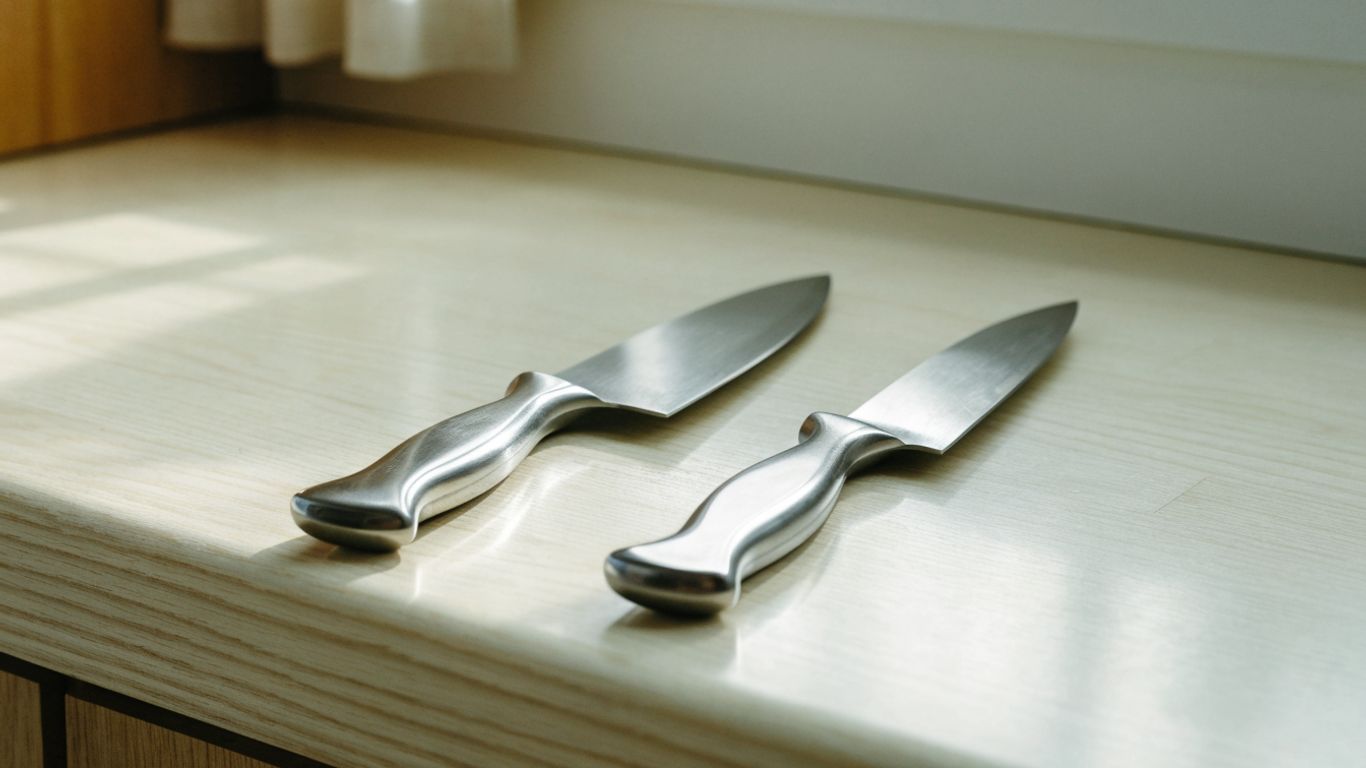
Forged and stamped options from each brand
Forged and stamped describe different ways a blade may be produced; neither label alone tells you whether a particular knife suits your hand or cooking routine. Product ranges can include more than one construction type, so verify the listing for the exact model. Also check what the maker says about the tang and bolster instead of inferring those features from appearance.
Steel type, hardness, and what they mean in use
Steel descriptions and hardness figures are useful only when they are published for the specific knife being considered. Don’t assume a single steel formula or hardness applies to every line under a brand name. If the listing does not give a figure, treat it as unknown rather than filling in a number from a different model.
Blade shape, bolster, and edge angle
The blade’s profile affects how its length and curve meet the cutting task, while the bolster can change how the front of the handle feels in your grip. Edge-angle figures should likewise come from the maker’s documentation for that model. When a specification is missing, use the knife in person if possible instead of relying on a generalization.
Handle materials and grip
Handle material is only one part of comfort. The shape, thickness, surface, and position of the handle relative to the blade all matter, and personal preference plays a large role. If a natural-wood handle is part of your decision, you can also read this guide to maple knife handles for a separate look at handle materials.
Cutting performance in everyday use
For everyday prep, the useful question is whether the knife’s shape and dimensions suit the way you cut. A listed weight or blade length can help you compare models, but neither predicts comfort for every cook. Treat broad impressions as a starting point, then check the specifications and, where possible, handle the knife.
Weight and balance for different cutting styles
Weight and balance are personal considerations, not a simple ranking. Some cooks prefer a knife that feels substantial in the hand; others want a lighter feel. Compare stated weights when available, and notice where each model balances rather than relying on a brand-wide description.
Rock chopping, slicing, and precision work
A curved profile may suit a rocking motion, while a straighter section can matter for other cutting habits. Blade length and tip shape also affect how much room you have for controlled work. The best fit depends on your technique, so look closely at the specific blade outline and try a similar motion safely before you buy.
Edge retention and ease of sharpening
Edge retention and ease of sharpening depend on the particular steel and its treatment, as well as how the knife is used and maintained. A maker’s published steel details can help set expectations, but avoid treating a general statement about one line as a promise for another. Check that the product information is specific to your model.
Popular Wüsthof and Zwilling knife lines
The names below identify lines included in this comparison, but a line name does not provide a complete specification sheet. Individual knives within a range may differ in size, construction, and price. Use the exact model listing as your basis for comparison, particularly when you’re deciding between a single knife and a set.
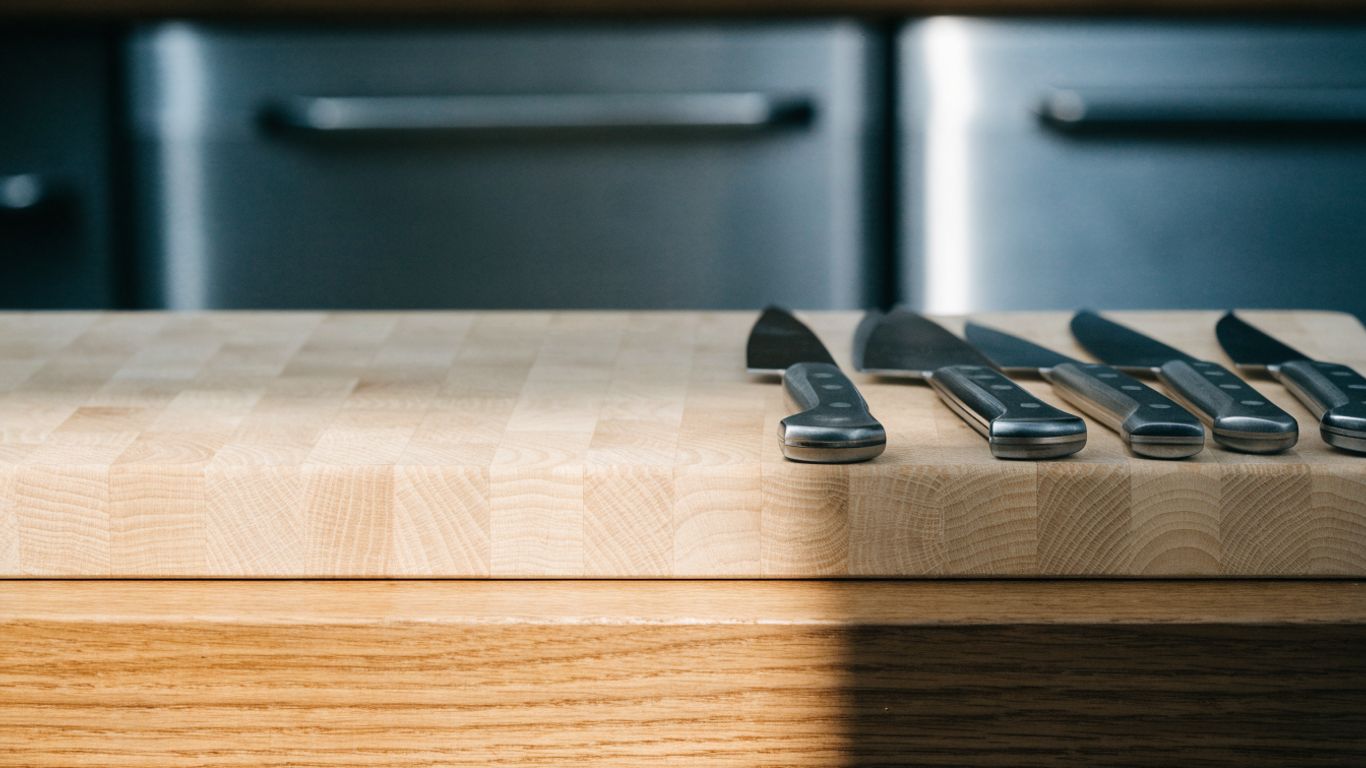
Wüsthof Classic and Classic Ikon
Classic and Classic Ikon are two line names to compare at the individual-model level. Check the exact knife’s listing for dimensions, materials, weight, and construction details rather than assuming those are identical across both lines. A direct comparison of matching knife types makes the differences easier to assess.
Zwilling Pro and Four Star
Pro and Four Star are also distinct line names, and the same model-by-model approach applies. Review the maker’s specifications for the knife you plan to buy, then compare it with a knife of similar size and purpose. Don’t infer a specific feature from the line name alone.
Entry-level lines such as Wüsthof Gourmet and Zwilling Twin Signature
Gourmet and Twin Signature are names that may appear when you compare lower-priced options within the broader ranges. Before choosing, check the stated construction, dimensions, materials, and what is included in the price. A lower price by itself does not tell you whether the knife has the feel or specifications you want.
How to compare equivalent knives rather than whole sets
A side-by-side record of the maker’s published details is more useful than comparing two sets by piece count. Use the same fields for each knife, and leave a field blank if the listing does not provide it.
| Detail to compare | What to record | Why it helps |
|---|---|---|
| Knife type and blade length | Exact model and listed length | Keeps the comparison like for like |
| Weight | Published figure, if available | Helps you assess the stated heft |
| Construction and steel | Maker’s wording for that model | Avoids assumptions across product lines |
| Price and set contents | Current price and included pieces | Shows what you are paying for |
Once the details are side by side, you can see which differences are documented and which remain unknown. That is a better basis for choosing than treating a whole brand as one uniform product.
Price, maintenance, and long-term value
The price of a kitchen knife can reflect its materials, construction, size, and whether it is sold alone or as part of a set. These factors vary across product lines, so a brand-level price comparison can be misleading. Before buying, make sure you are comparing the same knife type and checking the current listing for the exact model.
What drives the price difference between lines
A difference in price may come with differences in specifications or what is included, but the product listing is the place to confirm that. Compare the stated materials and construction, then check whether the price applies to one knife or several pieces. Avoid treating price alone as proof of superior fit or performance.
Buying a chef’s knife individually versus in a set
A single chef’s knife can be a straightforward choice if you know which model and size you want. A set may include useful pieces, but its total piece count does not show how often you’ll use each one. Compare the individual prices and set contents so you can judge whether the bundle matches your needs.
Sharpening frequency, honing, and care
A knife’s upkeep depends on its steel, use, and the condition in which you keep it. Follow the maker’s care guidance for the exact model, and don’t assume that all knives require the same routine. Before purchase, consider whether the recommended maintenance fits the time and effort you’re prepared to give it.
Warranty coverage and realistic lifespan
Warranty terms are set by the maker and can differ, so read the current published policy before purchasing. A warranty is not a guarantee of a particular lifespan or a substitute for understanding exclusions. Keep the product details and purchase information in case you need to refer to the terms later.
How to choose between Wüsthof and Zwilling
Choose by the exact knife, not by reputation alone: compare its published details, price, and feel with a similar model. There is no single answer that fits every cook, because hand comfort and cutting habits differ. If you want a starting point for narrowing the number of knives you need, use this German knife set guide to build a short list around how you cook.
Choose based on preferred knife weight and balance
If weight matters to you, compare the stated figures for the exact models and hold them when you can. Balance is also something you may judge more easily in person than from a product description. Prioritize the knife that feels controlled in your hand, not simply the one with the larger number or stronger reputation.
Match the blade profile to your cutting technique
Think about the movements you use most often and inspect the blade shape accordingly. A profile that suits one cook’s motion may feel less natural to another. If you cannot try the knife, study its outline and dimensions in the listing, and avoid assuming that every model in a line shares the same profile.
Compare the exact models and prices you’re considering
A practical shortlist can stay simple. Record the details you can verify, then use them to separate meaningful differences from missing information:
- Match the knife type and blade length.
- Compare listed weight and construction.
- Check steel and handle descriptions for the exact model.
- Compare the current price and any set contents.
If a specification is not listed, leave it unresolved rather than borrowing a figure from another model. This keeps your decision tied to information you can actually verify.
Try the handle in person if comfort is a deciding factor
A handle can feel different in your hand than it looks in a photo. If you have access to the exact model, hold it in a comfortable grip and see whether the shape feels secure and controlled. When that is not possible, check the return terms before ordering so you know what options you have if the fit is wrong.
Frequently Asked Questions
The best comparison is specific to the knife you intend to buy, not just its maker. These answers cover the main questions to settle before you choose.
Is a more expensive kitchen knife always better?
No. Price can reflect materials, construction, and what is included, but it does not tell you whether a knife suits your hand or needs. Compare the exact specifications and price.
Should you buy a knife set or individual knives?
Choose a set if its included pieces match what you use; choose individual knives if you want to select each tool separately. Compare the cost and contents before deciding.
What specifications should you compare first?
Start with knife type, blade length, weight, construction, steel, handle material, and price. Use only details published for the exact model.
Does knife weight affect comfort?
It can, but preference varies. A stated weight helps with comparison, while trying the knife in hand is a better way to judge whether it feels comfortable to you.
Does blade shape matter for home cooking?
Yes. The curve, length, and tip can affect how a knife suits your cutting motion and tasks. Consider your usual technique when comparing profiles.
How can you tell whether two knives are equivalent?
Compare knives of the same type and similar dimensions, then check their materials and construction. A comparison between unlike pieces or full sets may not show which individual knife fits you better.
What should you check before ordering online?
Confirm the exact model, published specifications, price, set contents if applicable, and current return terms. If a detail matters to you but is not listed, ask the seller or maker before buying.
SEE AN EXAMPLE
How this guide was put together
The Maple Board Guide team writes and fact-checks every guide on Maple Board Guide. Comparisons are based on maker specifications, published standards and food-safety guidance from sources such as the USDA, and each guide is reviewed and updated when specs or prices change. More about us.